
There is a noticeable shift happening this year, and it’s not loud enough to trend properly.
In 2026, more people—especially those in their 20s and early 30s—are quietly romanticizing small lives.
But a heads-up just for ya: it’s not the kind you announce online with a dramatic caption, but the kind you live without explanation.
It’s seen anywhere…
A slower morning.
A predictable routine.
A favorite café where the staff knows your order.
A notebook filled with thoughts no one else needs to read.
I mean, what a dream, right?
Today’s generation redefines what a “good life” looks like after years of noise, pressure, and constant self-optimization.
From Big Dreams to Livable Ones
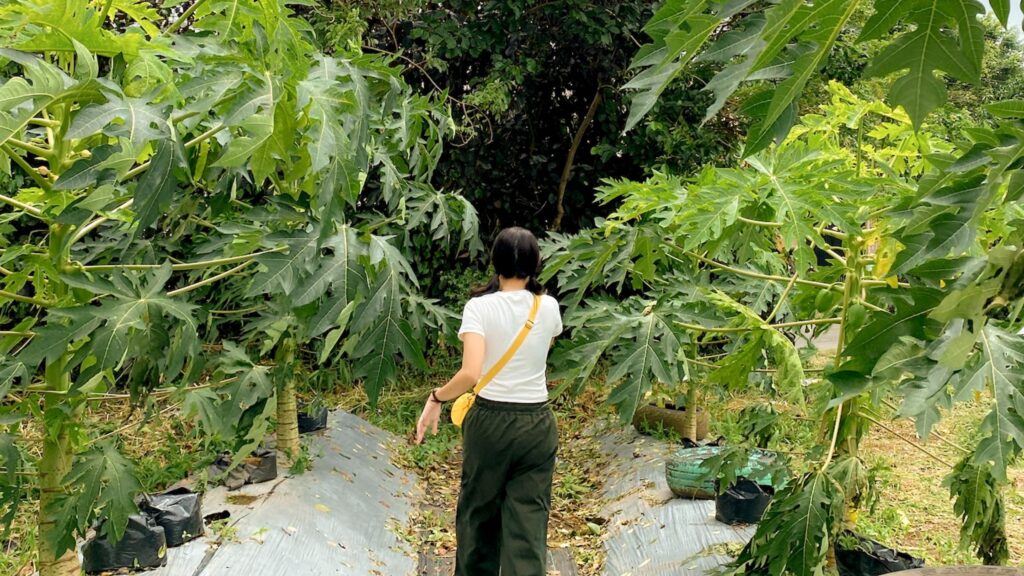
Traditionally speaking, success was framed as something loud and visible.
Hustle culture told us to aim higher, move faster, and monetize everything, from hobbies to personalities. In the Philippines, this pressure is intensified by economic realities. Long commutes, rising costs of living, family expectations, and the unspoken rule that stability often matters more than fulfillment.
Many young professionals, including me (guilty as charged!), grew up believing that a “big life” was the only life worth pursuing like high-paying jobs, constant growth, side hustles on top of full-time work, and a packed calendar that signaled importance.
But somewhere along the way, burnout became normalized. Exhaustion became a personality trait, it felt productively good to be productive. And the question quietly changed from “How do I get ahead?” to “How do I live without feeling constantly depleted?”
Romanticizing a small life is, in many ways, a response to that question.
What “Small Life” Really Means
A small life is often misunderstood as settling.
In reality, it’s selective living.
It looks like choosing routines over chaotically massive schedule, like finding joy in repetition instead of constantly chasing novelty, and like valuing enough income, enough time, enough peace, instead of endlessly wanting more.
In the Philippine setting, this might mean choosing a job with predictable hours over one with prestige but constant overtime. It might mean staying closer to home instead of moving cities just to prove independence. It might mean spending weekends at local cafés or weekend markets instead of feeling pressured to travel or “maximize” time off.
If there’s something I learned as a person obsessed with the feeling of success, well… small lives are NEVER minimal. They are intentional.
Why This Shift Feels Necessary Now
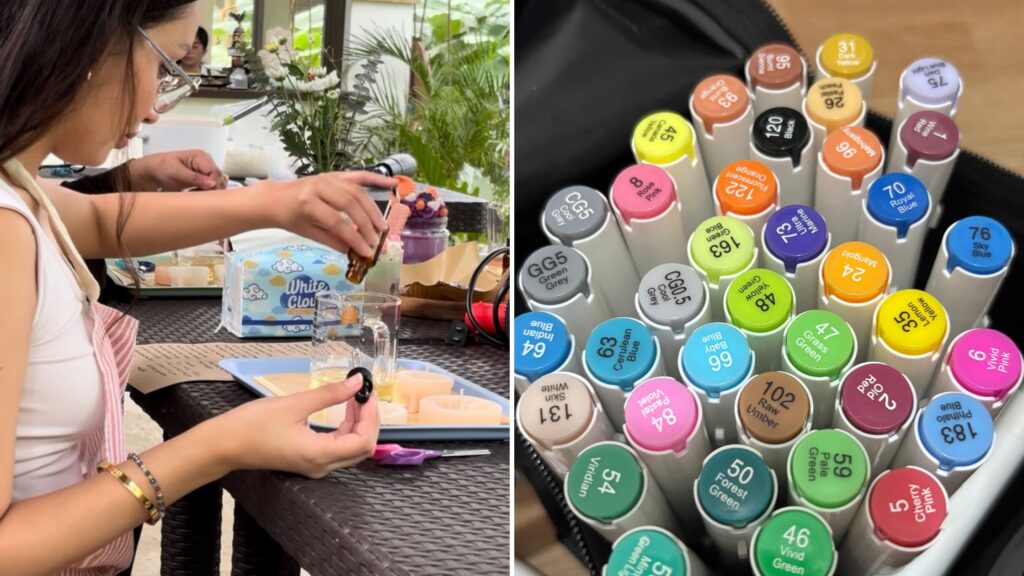
The romanticization of small lives is a survival response.
After years of economic uncertainty, pandemic disruptions, and digital overstimulation, many young adults are reassessing what sustainability looks like. Not just financially, but emotionally and mentally.
There is also a growing fatigue around constant self-improvement. Productivity advice, life hacks, and optimization tools once felt empowering. I even have a pile of self-help books that only reminded me that I never had no flaws, and to tell you, it was exhausting.
Clearly, they often feel like noise. Being told how to improve every aspect of life can quietly turn living into a performance.
And you know what? Choosing a smaller life is a way of opting out of that performance.
The Comeback of Quiet Rituals
One of the clearest signs of this shift is the return to quiet, offline rituals.
Journaling has re-emerged not as a productivity tool, but as a grounding practice. Many are returning to simple notebooks like unlined journals, planners without aggressive goal-setting pages, or brands like Muji and Kinbor that emphasize function over aesthetics. Writing by hand has become a way to slow thinking down in a world that demands instant reactions.
Journal Recommendations
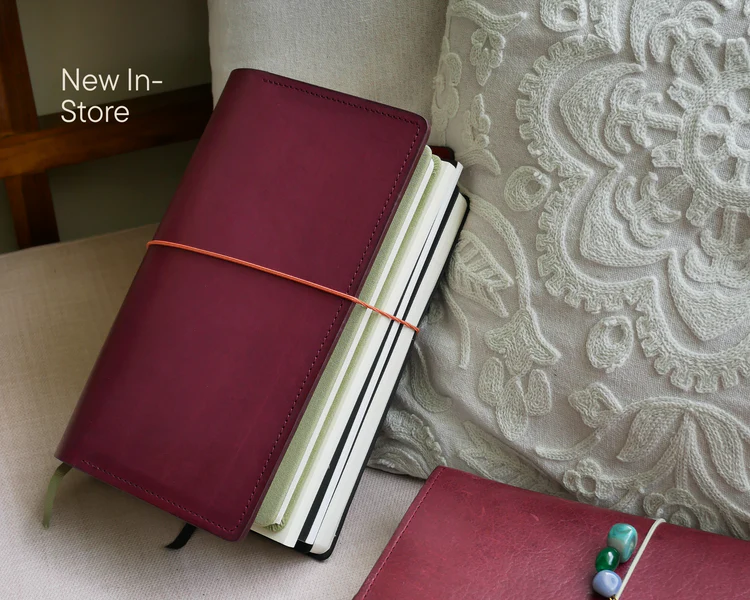
Bifold Leather Folios by Cada Dia
The Cada Dia leather folio comes with notebook inserts you can build around your life. Made of vegetable tanned cowhide leather and thoughtfully designed with built-in pockets, our leather folios were created to live life with you.
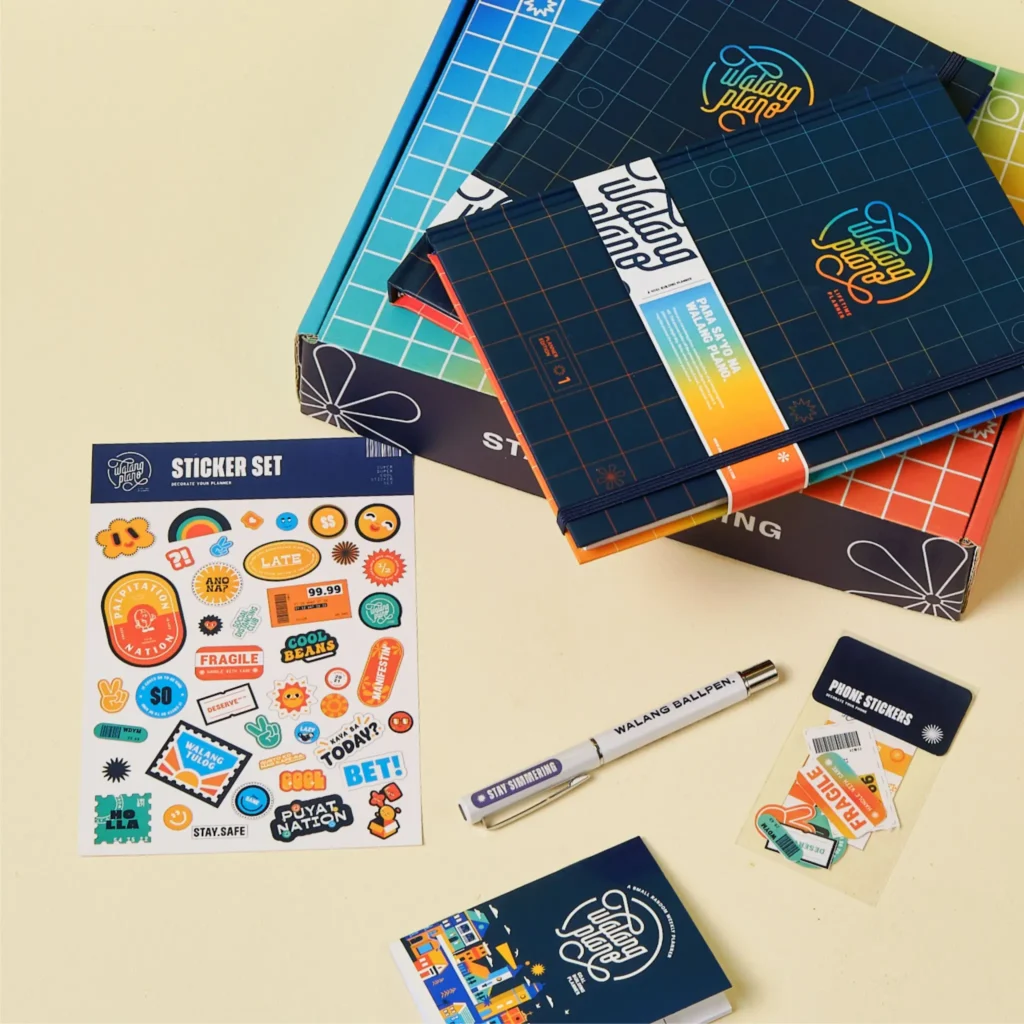
Walang Plano Planner by Simmer Studios
Each box comes with the planner, a pen, a weekly booklet, stickers for your planner and your phone, and a bookmark for P1,099. There’s also a variant called Walang Plano Nude for P999, which has the same inclusions but with a nude, debossed cover.
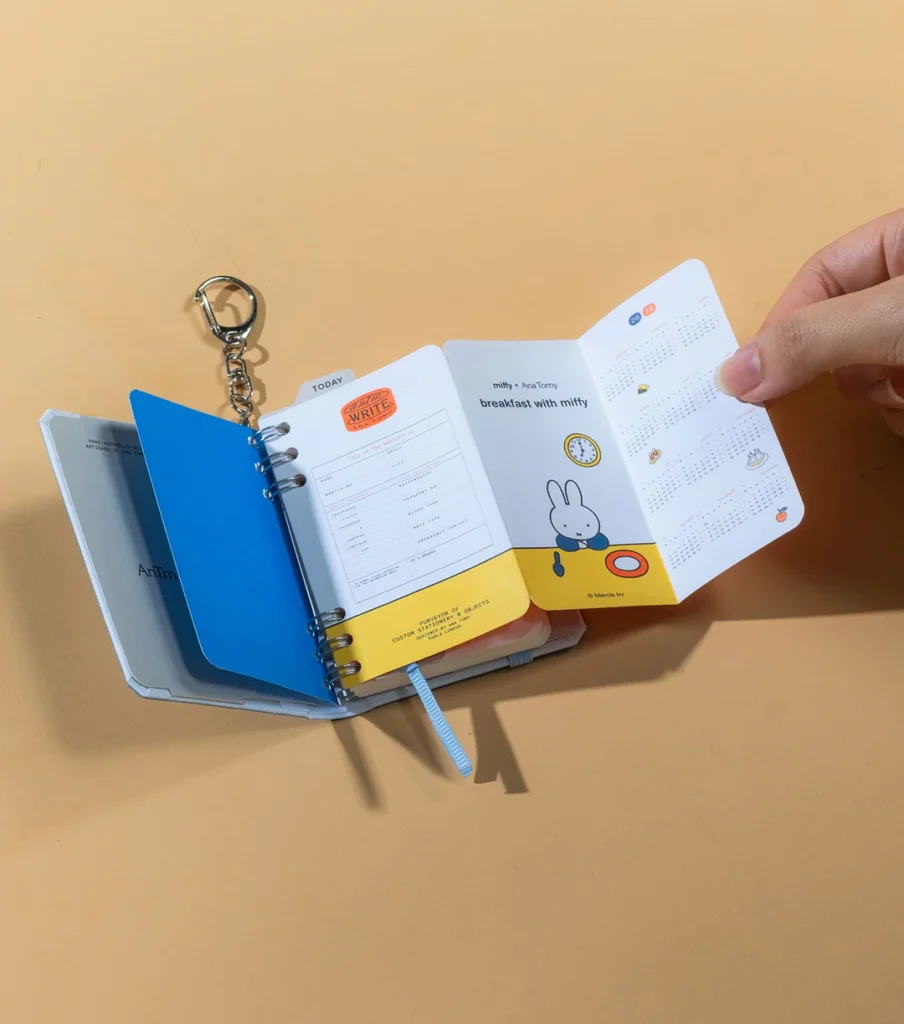
Ana Tomy x Miffy Edition Micro Notebook Charm
Designed for the detail lovers, the scribblers, the spontaneous note-leavers. This tiny charm doubles as a miniature notebook; filled with 120 real, writable pages, perfect for quick thoughts, secret messages, or tiny to-do lists.
Morning routines is now considered as the time of the day to read a few pages of a book instead of checking notifications. Even digital tools like Notion are being used less for tracking productivity and more for clarity where people can create lists, write reflections, build personal systems that support rather than pressure.
As for me, I love using Trello for personal project management aside from go-to daily planner. It really helps me with organizing my schedule for school, work, and hobbies.
These rituals are small, but they offer control in a world that often feels unpredictable.
Small Lives and the Filipino Context
Let’s admit it that in our country, the idea of a small life carries particular weight.
There is a strong cultural emphasis on resilience, sacrifice, and “pagsusumikap.” Rest can feel indulgent while slowing down can feel irresponsible, especially when financial security is fragile.
That’s why this shift is often quiet. Many young adults are not publicly rejecting hustle culture, they’re simply disengaging from it where they can, choosing stability over status and peace over constant proving themselves.
This doesn’t mean ambition disappears. It just becomes more grounded. After all, the goal is to define success as something measured less by external validation and more by livability.
Why This Resonates With People in Their 20s and 30s
This stage of life is often framed as a time for acceleration, even I believed it too. They said that in my 20’s I should build my career, expand my network, and figure everything out quickly.
But for many, the reality is messier. Careers are nonlinear, goals change, and economy moves. The pressure to “have it together” clashes with the very real experience of still becoming.
That’s why romanticizing small lives allows space for that becoming. It removes the urgency to arrive somewhere impressive and replaces it with permission to be present.
It tells people that it’s okay if your life doesn’t look exciting online as long as it feels meaningful offline.

What This Shift Teaches Us
At its core, the move toward small lives, instead of being about shrinking, it becomes a phase for alignment.
It’s purpose is to ask better questions:
- What pace allows me to function well?
- What do I actually enjoy, separate from what I was told to want?
- What kind of life can I maintain without constant recovery?
For many, the answers lead to quieter choices and while these choices may not always look impressive, they are deeply practical.
Choosing Small, Choosing Well
Romanticizing small lives in 2026 is not a trend to capitalize on. It’s a reflection of collective fatigue and collective wisdom.
People are learning that a life doesn’t need to be loud to be meaningful, it just needs to be livable.
In a world that constantly pushes for more—more growth, more visibility, more achievement—choosing small can be a radical act of self-respect.
And perhaps that’s the real romance: not the fantasy of a perfect life, but the quiet decision to build one you can actually live in.